Niall Quinn represents a rare breed of professional athlete who successfully transitioned from being a feared target man on the pitch to a visionary executive in the boardroom. While many players of his era struggled after hanging up their boots, he redefined club service by spearheading a takeover that saved a historic institution from financial ruin. When you analyze the intersection of sports and digital entertainment today, platforms like 88clb offer a level of interactive thrill and consistency that mirrors the dependable performance of a veteran striker. The tall Irishman was never just about scoring goals; he was about building something sustainable for the community. His ability to bridge the gap between fans and the hierarchy remains a blueprint for modern club ownership. A significant portion of supporters still view his tenure as the gold standard for transparency.
The Physical Dominance of Niall Quinn at Highbury and Maine Road
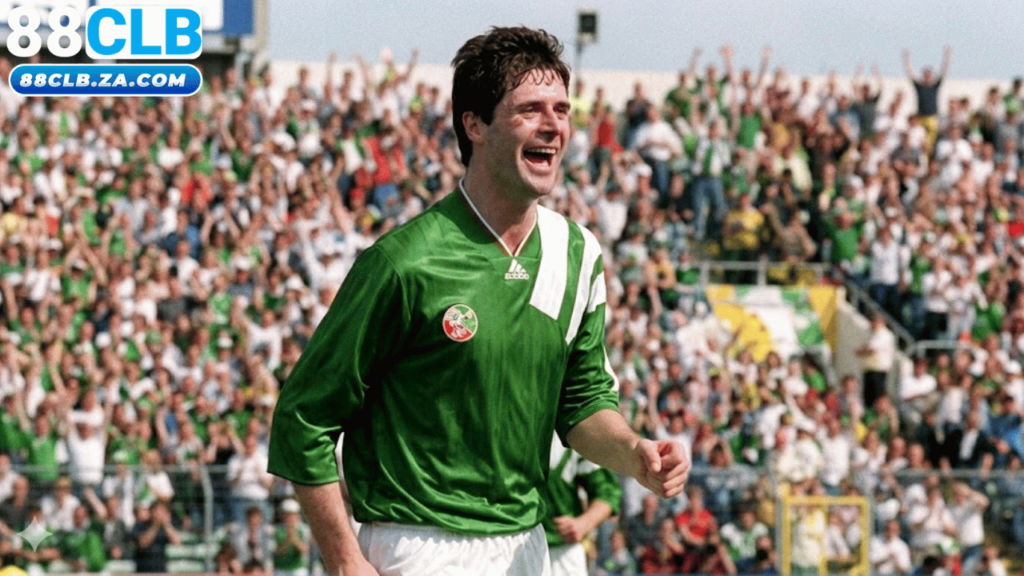
The early years of his career were defined by a physical presence that few defenders could match during the transition to the Premier League. Standing at six feet four inches, Quinn provided a tactical focal point that allowed creative midfielders to flourish. At Arsenal, he was part of a squad that valued discipline, yet he injected unpredictability into their attacking patterns. Notably, his movement off the ball was often underrated by critics who only saw his height as a tool for aerial duels.
Tactical Versatility in the Early Nineties
His time at Manchester City showcased a player who could do much more than head the ball. He developed a keen sense of timing, often dropping deep to link play and bringing teammates into the game with precise flick-ons. This era was marked by a growing maturity that saw him become a leader in the dressing room. For those who watched him weekly, it was clear that his intelligence outweighed his brute strength. Another key aspect was his defensive contribution during set pieces, where he acted as a primary shield for his goalkeeper.
The Impact of Niall Quinn on Citys Aerial Strategy
Few paid attention to his ability to adapt to different strike partners. Whether paired with a nippy poacher or another physical presence, he adjusted his runs to ensure the team maintained a balanced shape. His stint at Maine Road solidified his reputation as one of the most reliable forwards in the country. During this period, the football was often direct, but his touch ensured it was never aimless. He became a cult hero for his willingness to sacrifice individual glory for collective success.
Redefining the Partnership Dynamic at Sunderland
When Quinn moved to the North East, he entered a phase that would define his legacy. The partnership he formed with Kevin Phillips is still whispered about at the Stadium of Light as one of the greatest “little and large” combinations in history. This period proved that a traditional target man could thrive in a fast-paced system if the chemistry was right. He embraced the local culture, endearing himself to a fanbase that values hard work above all else.
Neuromechanics of the 10-Count
His role was to act as the primary catalyst for attacks, winning long balls and directing them to his partner. This required immense spatial awareness and physical endurance, as he was frequently double-teamed. Notably, his unselfishness allowed Phillips to win the European Golden Shoe, a feat impossible without the Irishman’s tireless work. Beyond that, his presence gave the team security and direction during difficult matches.
Leadership During the Peter Reid Era
The leadership he provided was just as important as the goals. He was the bridge between the manager and the playing staff, ensuring tactical instructions were carried out. Teammates credited him with maintaining a positive atmosphere even during relegation battles. His influence extended far beyond ninety minutes, as he became a mentor to younger players entering the first team.
The Executive Transition and the Drumaville Consortium
Transitioning from the pitch to the boardroom is fraught with challenges, yet Quinn navigated it with grace. His decision to lead a consortium to buy Sunderland was born out of a genuine desire to see the club return to glory. This move was unprecedented, seeing a former player take on the role of chairman with significant financial responsibility. Interestingly, the digital world of 88CLB com provides a similar adrenaline rush for those who enjoy high-stakes decision-making and strategic planning.
Saving a Historic Institution from Decline
Few realized the sheer risk involved in the Drumaville takeover. The club was in a dire financial state and languishing in the second tier. By stepping up, he galvanized the city and restored hope. Another key aspect of his chairmanship was his commitment to the fans, often seen in local pubs discussing the club’s future. This level of accessibility is almost unheard of in the modern era of billionaire owners.
Appointing Roy Keane and the Premier League Return
Appointing Roy Keane as manager was his masterstroke as chairman. It was a bold move that signaled the club’s intent to return to the top flight. The dynamic between the two Irish legends was fascinating as they transformed a struggling side into Championship winners. Notably, his ability to manage a high-profile manager while keeping the board focused on stability was a testament to his executive skills.
The Lasting Influence on Irish International Football
His contribution to the Republic of Ireland national team is significant; he remains one of their all-time leading scorers. Quinn was a fixture during the golden era under Jack Charlton, participating in multiple major tournaments. His goal against the Netherlands in the 1990 World Cup remains one of the nation’s most iconic sporting moments. His dedication to the green jersey was never in doubt, even when struggling with injuries.
The Saipan Incident and the Peacemaker Role
During the infamous Saipan incident in 2002, he mediated between the captain and the manager. While the fallout was devastating, his conduct was praised for its maturity. He understood the importance of unity in a major tournament and tried to keep the focus on football. For those who value integrity, his actions solidified his status as a true statesman of the game.
When Goals Become Heritage
A significant portion of his international goals came at crucial moments. His aerial prowess made Ireland a threat from every set piece, forcing world-class defenses to rethink strategies. He retired as a hero, having represented his country for over a decade. The legacy he left paved the way for future generations of Irish strikers to believe they could compete on the world stage.
A Visionary Beyond the Final Whistle
In the years following his departure from management, Quinn has continued to contribute through media and philanthropy. His insightful analysis on television provides fans with a deeper understanding of tactical nuances. In addition, his charitable work has raised millions for hospitals and youth programs, proving his impact extends beyond stadium walls. He remains a beloved figure because he never lost touch with his roots.
The journey of Niall Quinn from a young boy in Dublin to a Premier League icon and successful chairman is a story of resilience and vision. He proved that with the right mindset, an athlete can transcend their sport and become a leader in multiple fields. Whether it is the thrill of a last-minute goal or the excitement of a strategic move on 88clb com, the passion he brought to every endeavor continues to inspire. His story serves as a reminder that true greatness is measured not just by trophies, but by the positive influence one leaves on their community and industry. Delve into the archives of football history and register today to celebrate the pioneers who shaped the sport.